
A commercial vehicle can look completely fine and still be carrying a defect serious enough to cause a crash. That’s not a scare tactic; it’s a documented pattern in crash research, and it’s exactly why vehicle inspection knowledge is treated as a core driving skill rather than a formality tacked onto the start of a shift.
Knowing how to drive a truck and knowing how to correctly assess whether that truck is safe to drive are two different skill sets, and only one of them gets taught properly in a rushed, checklist-only approach to training.
What Does “Vehicle Inspection Knowledge” Actually Mean?
Vehicle inspection knowledge is the ability to recognize what a defect looks, sounds, and feels like across a commercial vehicle’s critical systems, brakes, tires, steering, coupling, and lighting, rather than simply memorizing a list of parts to glance at. It’s the difference between touching a brake chamber because the checklist says to and actually knowing what a worn diaphragm or a slow air leak indicates about whether that truck should leave the lot.
This distinction matters because inspections aren’t just a testing requirement; they’re a driver’s first and most reliable opportunity to catch a problem before it becomes a roadside failure or worse.
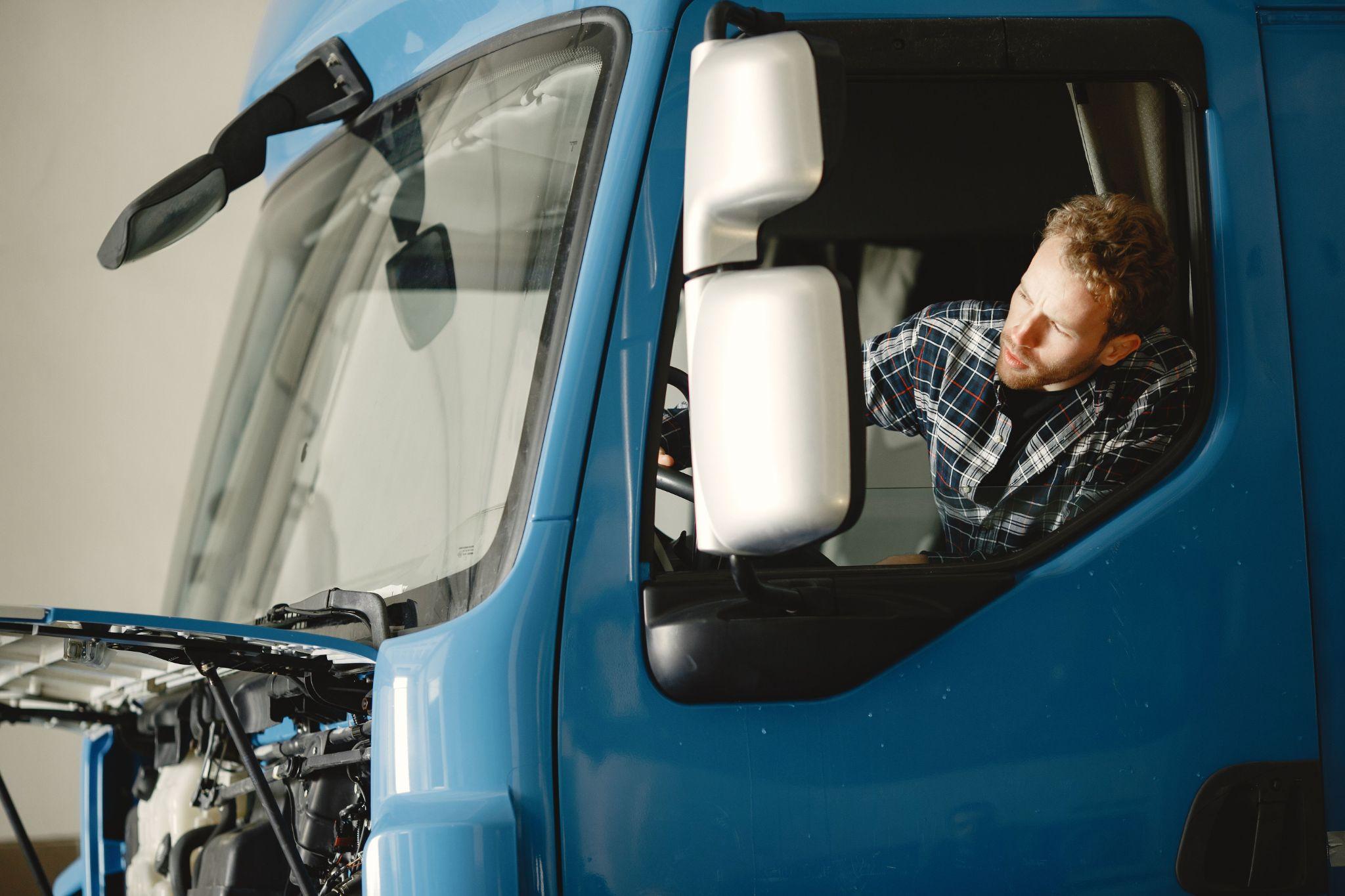
Why Equipment Condition Is a Bigger Risk Factor Than Most Drivers Realize
It’s tempting to assume that most serious truck crashes come down to driver error alone, and while driver behavior is the largest single factor, equipment condition plays a far bigger role than casual observers might expect.
Research drawing from the Large Truck Crash Causation Study shows that having any vehicle defect was associated with a 200% increase in crash risk, and brake defects specifically were found in 42% of crash-involved trucks, with defects severe enough to place a truck out of service tripling its crash risk.
That’s not a marginal correlation; it’s one of the clearest statistical relationships in trucking safety research, and it’s the entire reason inspection knowledge is treated as safety-critical rather than administrative.
The Systems Most Likely to Fail and Why
Not every part of a commercial vehicle carries equal risk, and understanding which systems deserve the closest attention is part of what separates a thorough inspection from a rushed one. Brake systems consistently top the list.
During CVSA’s 2025 International Roadcheck, inspectors found that vehicle-related violations placed 18.1% of commercial vehicles out of service, and brake system defects alone accounted for roughly a quarter of those cases, more than any other category, ahead of tires, lighting, and cargo securement.
The reason brakes dominate isn’t mysterious; they’re wear components under constant mechanical stress, which means a brake that measured within spec during one inspection can be out of adjustment weeks later without any visible change to the outside of the vehicle.
A driver who understands why brakes fail this way checks pushrod travel and listens for air leaks with real intent, rather than glancing at a drum and moving on. That distinction, knowing what you’re checking for, not just checking, is what separates functional inspection knowledge from a memorized routine.
Recognizing When a Vehicle Needs Attention Before It Ever Leaves the Yard
The most valuable outcome of strong inspection knowledge isn’t passing a test; it’s catching a problem early enough that it never becomes a roadside incident. A driver who knows what a defect looks like can recognize warning signs that a checklist alone won’t teach: uneven tire wear that signals an alignment problem, a slight hesitation in air pressure buildup that suggests a compressor issue, or play in the steering wheel that indicates a loose linkage before it becomes a genuine safety hazard.
This kind of pattern recognition takes repetition to build, which is exactly why hands-on practice matters more than reading a manual once. A solid CDL training program can build this skill deliberately, walking students through what a defect actually looks and sounds like, not just where to point during a scripted walk-around. Drivers who train this way tend to carry that judgment into every pre-trip inspection they do afterward, long after the CDL exam is behind them.
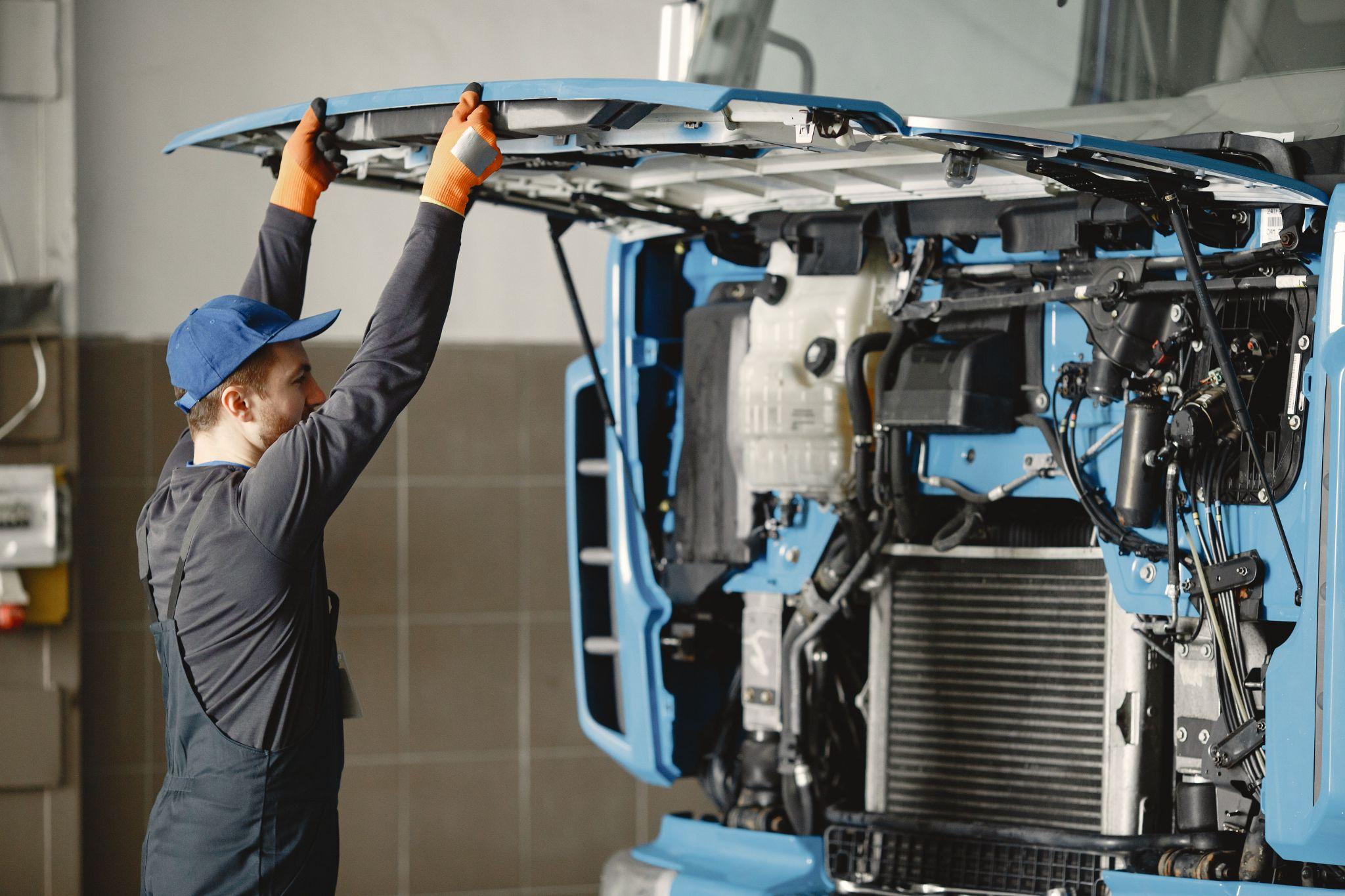
Vehicle inspection knowledge isn’t something that develops from reading a manual once or watching an examiner do it during a test. It’s built through repetition, under realistic conditions, until recognizing a defect becomes second nature rather than a conscious checklist exercise.
Serving individuals and businesses across Florida, SunState CDL structures its CDL training program so inspection knowledge is practiced repeatedly on real equipment, not read once and memorized the night before a test.
Our CDL training and testing approach pairs hands-on inspection practice with on-site, third-party CDL testing for individuals as well as company employees.
As an established CDL training provider in Florida, we work with new drivers preparing for their CDL permit test for the first time and with companies looking to sharpen their teams’ inspection habits.
Ready to build the kind of inspection instincts that hold up long after test day? Contact us today to get hands-on with the training that makes equipment condition second nature.