Passing a CDL test is about more than knowing the rules. A new commercial driver also needs to translate those rules into physical actions: positioning a large vehicle, judging space, controlling speed, managing braking, and making decisions while moving through real traffic. That is where behind-the-wheel training becomes especially valuable.
Behind-the-wheel instruction includes both range and public-road training; here’s why it must be completed before taking the applicable skills test.
Turning Knowledge Into Vehicle Control
Commercial vehicles respond differently from passenger cars. Their size, weight, dimensions, and braking characteristics require drivers to develop a feel for how the vehicle moves.
Florida’s Commercial Driver’s License Manual specifically identifies accelerating, steering, stopping, and backing as fundamental vehicle-control skills. It also emphasizes that safe commercial-vehicle operation requires drivers to control both speed and direction.
Practical repetition gives applicants an opportunity to work on those skills instead of simply reading about them. During truck driving classes, a trainee can practice maintaining a controlled position, making smoother steering inputs, and adjusting speed appropriately.
Developing Better Turning Judgment
Turns require more than simply following a lane line. A commercial driver has to consider the vehicle’s dimensions, available space, surrounding traffic, and the path the rear of the vehicle will follow.
Research into truck crashes has identified loss of control and lane-related situations among important collision circumstances. Loss of control is among the most common initiating events resulting in single-vehicle crashes.
Repeated practice can help new drivers connect steering decisions with the vehicle’s actual movement. That experience becomes particularly relevant when preparing for CDL training and the road portion of the skills test.
Building Braking Awareness
Braking a commercial vehicle also requires judgment. Florida’s CDL manual instructs drivers to apply brake pressure gradually and adjust it according to speed and the urgency of the stop.
These are skills that become easier to understand through practical experience. Behind-the-wheel training helps applicants learn how the vehicle responds to different braking inputs, making them practice controlled stops rather than relying entirely on classroom knowledge.
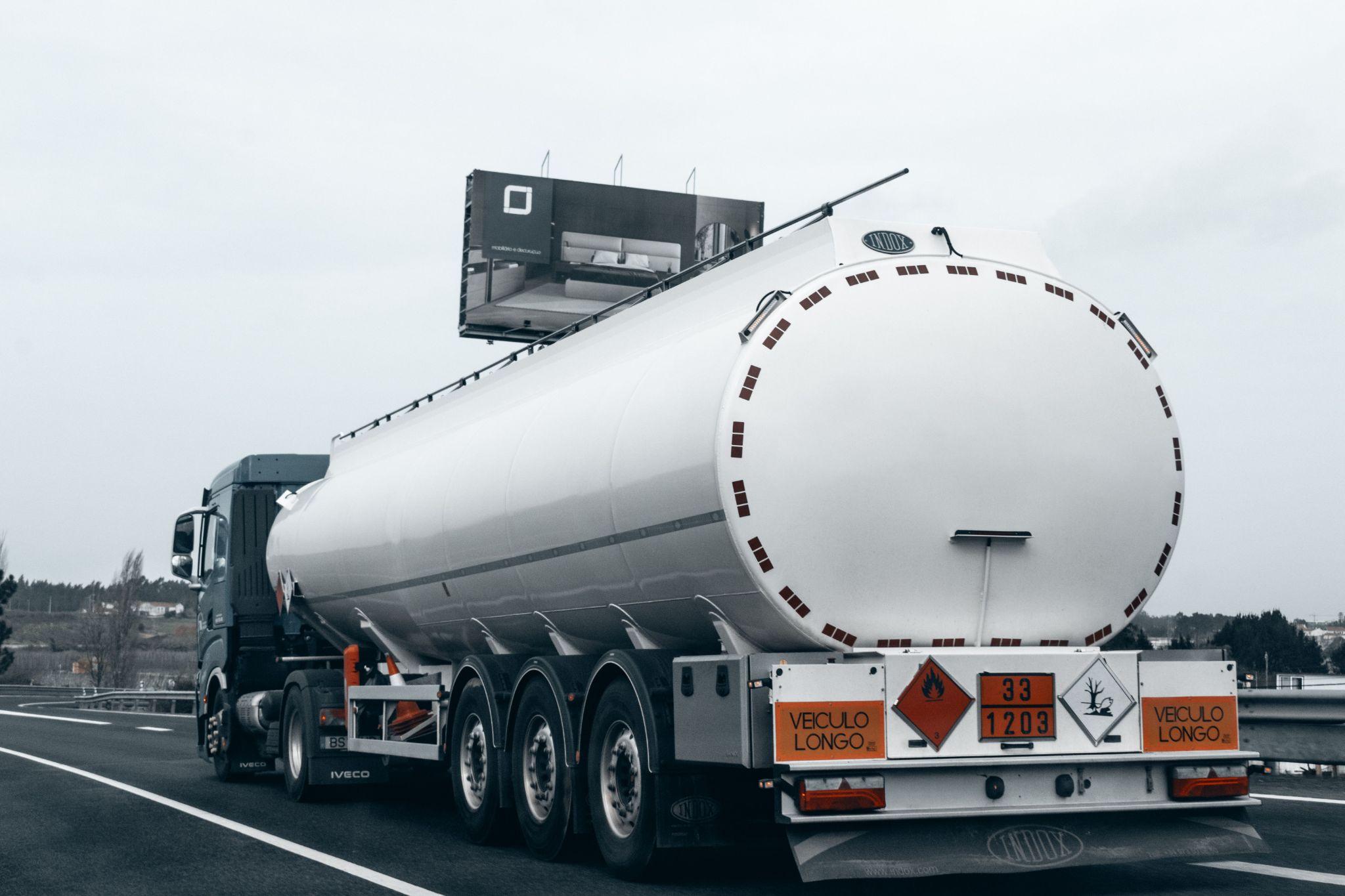
Practical driving experience can make the transition from studying CDL requirements to operating a commercial vehicle much more manageable. Repeated practice gives new drivers opportunities to refine vehicle control while becoming more comfortable with the skills they will need on test day.
SunState CDL provides hands-on CDL training for individuals and companies throughout Florida. Our programs include behind-the-wheel instruction and preparation for the CDL exam, while our third-party CDL testing facility provides testing for individuals and businesses.
Ready to develop your driving skills and prepare for your CDL exam? Contact us today to learn more about our CDL training and testing options.