A passing permit test can open the door to commercial driving, but it does not demonstrate how someone handles a large vehicle on the road. The knowledge test and the skills test measure different parts of the same responsibility. Preparing for both means learning the rules, understanding the vehicle, and practicing how to apply that knowledge behind the wheel.
This blog explores how classroom instruction and practical training work together and why both matter before stepping into the testing process.
Knowledge and Skills Serve Different Purposes
The commercial learner’s permit knowledge test measures what an applicant knows. The skills test evaluates how that knowledge translates into vehicle operation. Treating them as interchangeable can leave important gaps in preparation.
FMCSA explains that states develop their own CDL knowledge and skills tests, but both must meet federal standards. The general knowledge test covers 20 topic areas and contains at least 30 questions, with a minimum passing score of 80%. The skills test, by contrast, requires applicants to successfully perform the required maneuvers.
That distinction makes a strong CDL training and testing plan more than a study schedule. Applicants need time for both understanding and application.
What Classroom Knowledge Should Cover
The theory portion should establish a working understanding of the rules and responsibilities that guide commercial vehicle operation. Key areas include:
- Traffic laws and safe driving: Speed management, following distance, lane positioning, right-of-way, and hazard awareness.
- Vehicle systems: Basic knowledge of braking systems, vehicle controls, inspections, and equipment-related safety.
- Cargo and vehicle safety: Understanding how cargo, weight, and securement can affect vehicle stability and handling.
- Commercial driving regulations: Familiarity with applicable operating requirements, driver responsibilities, and safety procedures.
Why Practical Training Completes the Picture
Knowing how a vehicle should operate is different from controlling one. Behind-the-wheel instruction gives applicants opportunities to practice steering, braking, backing, turning, vehicle inspections, and road driving under structured supervision.
FMCSA’s ELDT guidance explains that applicable training must be completed before the state-administered skills test. This reinforces why CDL training and testing should be approached as connected but distinct stages.
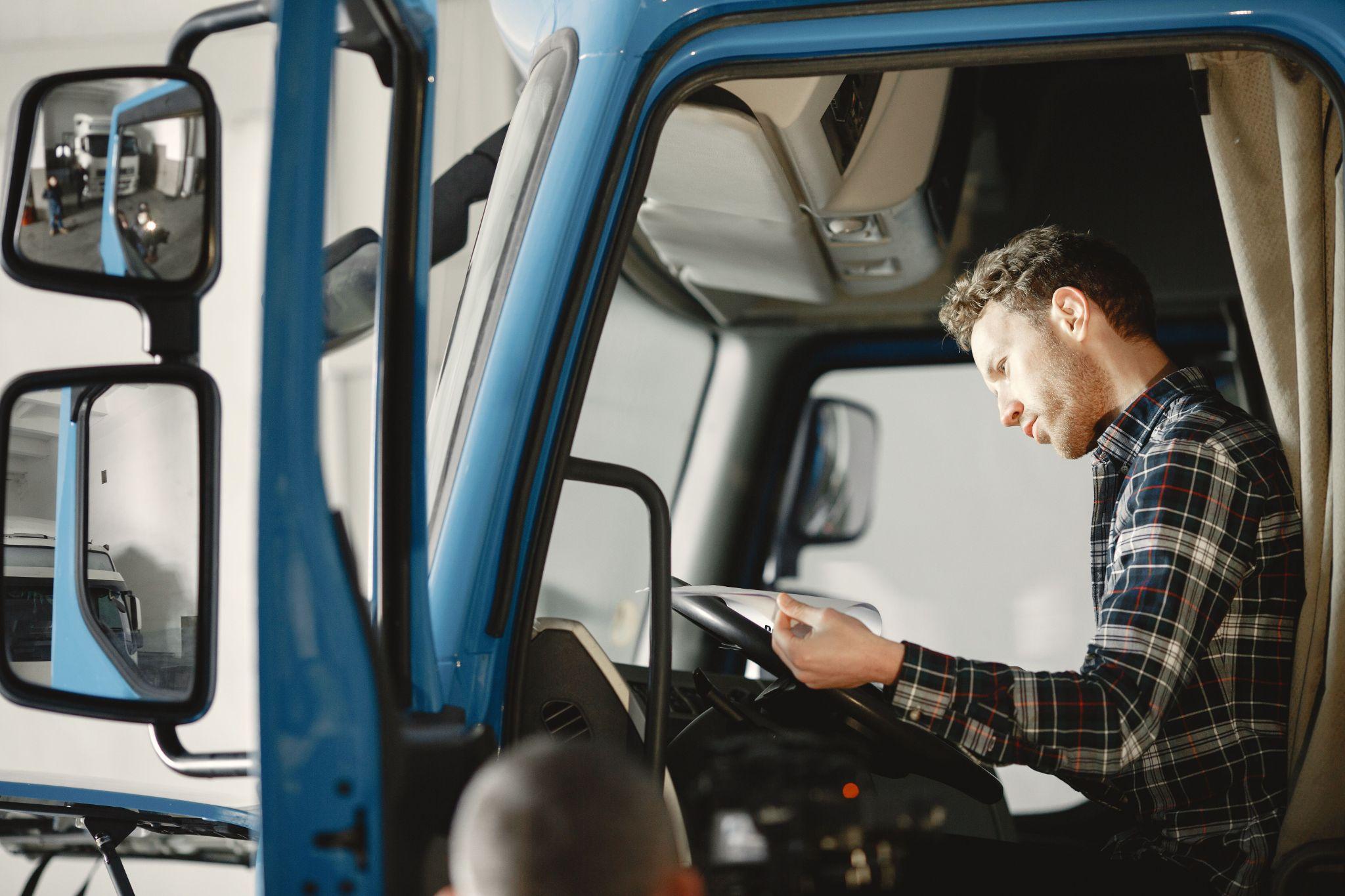
Passing the permit test is an important milestone, but it is only one part of becoming prepared for commercial driving. Practical instruction helps applicants turn what they have learned into controlled vehicle operation, while testing preparation gives them a clearer understanding of what to expect.
Approaching both stages together can help new drivers build their knowledge and develop the hands-on skills needed beyond test day.
SunState CDL offers CDL training and testing services designed to support applicants through these stages. Its services include ELDT online theory, behind-the-wheel training, and third-party testing for individuals and businesses through its CDL testing facility.
Ready to begin preparing for your commercial driver’s license? Contact us today and take the next step toward your licensing goals.