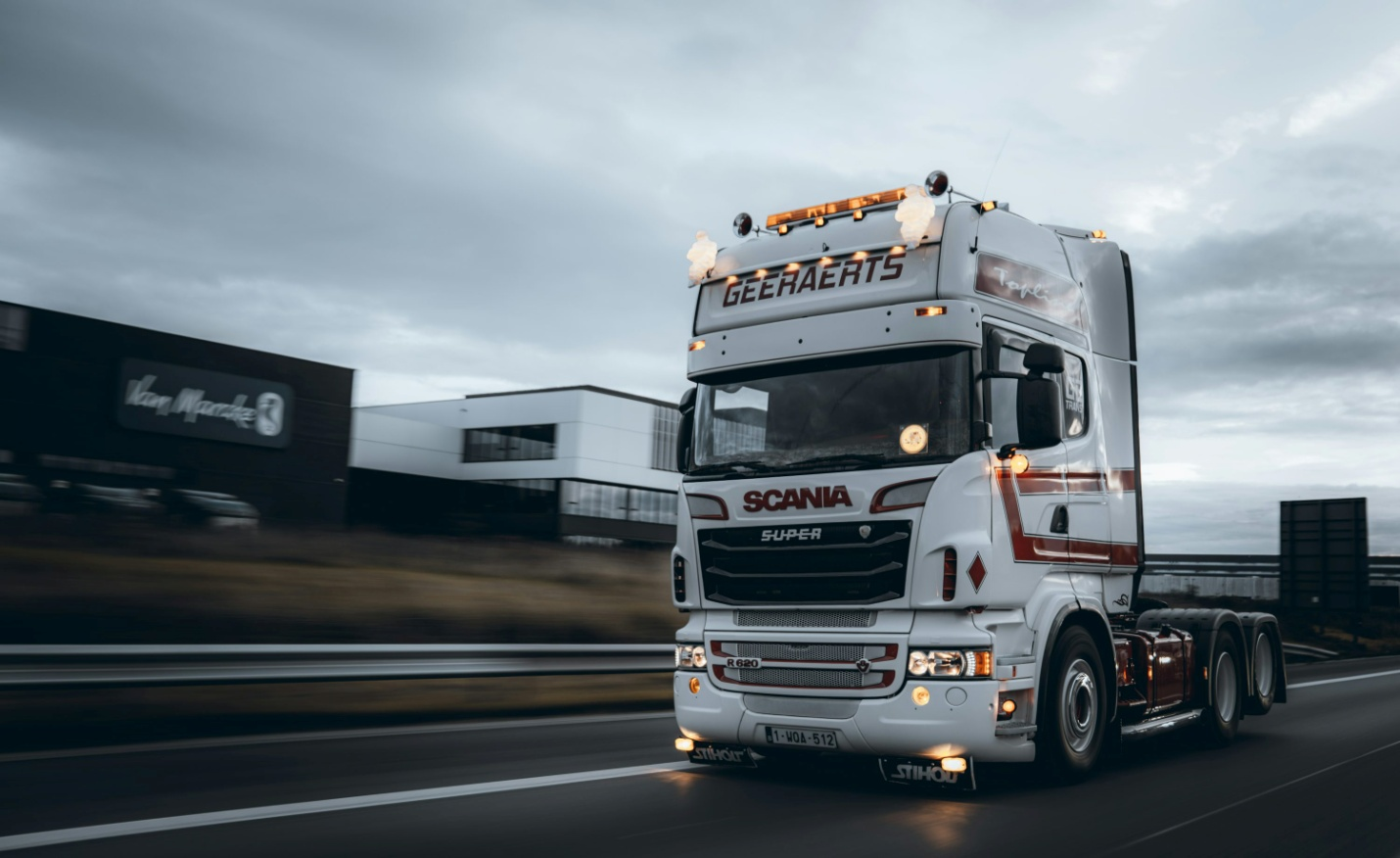
Earning a Class A Commercial Driver License is more than passing a written exam and road test. Class A CDL training is designed to build technical competence, regulatory knowledge, and professional discipline. If you plan to operate tractor-trailers or combination vehicles, mastering these core skills is essential for both licensing and long-term success in the trucking industry.
Below are the most important skills you will develop during Class A CDL training.
Advanced Vehicle Inspection Procedures

One of the first competencies you will learn is conducting a detailed pre-trip inspection. Federal and state regulations require drivers to verify that critical components such as brakes, suspension, tires, coupling systems, and lights are functioning correctly.
Training programs teach you how to systematically inspect your tractor and trailer, identify safety hazards, and communicate mechanical concerns accurately. This skill is not only required to pass your CDL exam but also essential for preventing roadside breakdowns and compliance violations.
Coupling and Uncoupling Combination Vehicles
Class A drivers operate combination vehicles, which means you must understand proper coupling and uncoupling procedures. Training includes step-by-step instruction on aligning the tractor with the trailer, securing the fifth wheel connection, checking locking jaws, and connecting air and electrical lines.
Incorrect coupling can lead to trailer separation, equipment damage, or safety hazards. Through repetition and supervised practice, you will develop the precision required to perform this task confidently and efficiently.
Backing and Maneuvering Techniques
Backing a tractor-trailer is one of the most technically demanding aspects of commercial driving. Class A CDL training emphasizes controlled maneuvers such as straight-line backing, offset backing, and alley docking.
You will learn how trailer pivot points affect movement and how to use mirrors effectively. Instructors focus on steering input control, patience, and spatial awareness. Mastering backing techniques significantly reduces accident risk and increases employability with reputable carriers.
Shifting and Transmission Management
Operating a manual transmission tractor requires coordination and timing. Training programs teach progressive shifting, double clutching, and proper gear selection for varying loads and terrain.
Even if you train on automatic equipment, understanding transmission mechanics helps you operate efficiently and reduce mechanical wear. Proper shifting contributes to fuel efficiency, smoother operation, and professional driving performance.
Defensive Driving and Hazard Awareness
Safety is central to Class A CDL training. You will learn defensive driving strategies such as maintaining safe following distances, anticipating traffic patterns, and adjusting for weather conditions.
Hazard perception training improves your ability to identify risks early and respond appropriately. This includes managing blind spots, navigating urban congestion, and operating safely on highways. Defensive driving skills protect both your driving record and your career.
Regulatory Compliance and Log Management
Commercial drivers must comply with federal and state transportation regulations. Training covers hours of service requirements, logbook documentation, and inspection reporting standards.
Understanding compliance reduces the risk of violations and fines. It also ensures you operate within legal guidelines that protect public safety and your professional standing.
Trip Planning and Route Management
Effective trip planning is another critical skill. You will learn to evaluate routes based on bridge heights, weight restrictions, fuel stops, and delivery timelines.
Planning reduces delays, improves fuel efficiency, and enhances reliability. Employers value drivers who can manage routes strategically and maintain consistent delivery performance.
Professionalism and Industry Readiness
Beyond technical skills, Class A CDL training builds professionalism. You will learn communication protocols, documentation procedures, and workplace safety standards expected by transportation employers.
Strong work ethic, punctuality, and accountability are emphasized throughout training. These traits contribute to long-term success in the trucking industry.
Class A CDL training equips you with far more than driving ability. It builds the technical, regulatory, and professional foundation required to operate combination vehicles safely and effectively. Mastering these skills positions you for a stable and rewarding commercial driving career.
Start Your Class A CDL Training Today with SunState CDL
Ready to build real-world skills through Class A CDL training Florida drivers trust? Enroll in our CDL training program and prepare for CDL testing in Florida with confidence. Call SunState CDL to get started.