Florida’s roads present a unique set of challenges for new commercial drivers. From bustling highways to narrow rural routes, variable weather, and strict weight limits, understanding local driving conditions is crucial for safety and compliance.
For anyone aiming to get their CDL in Florida, mastering Florida road conditions is as important as passing the CDL permit test. Here’s what new drivers must know about driving and routes.
1. Navigating Florida Highways
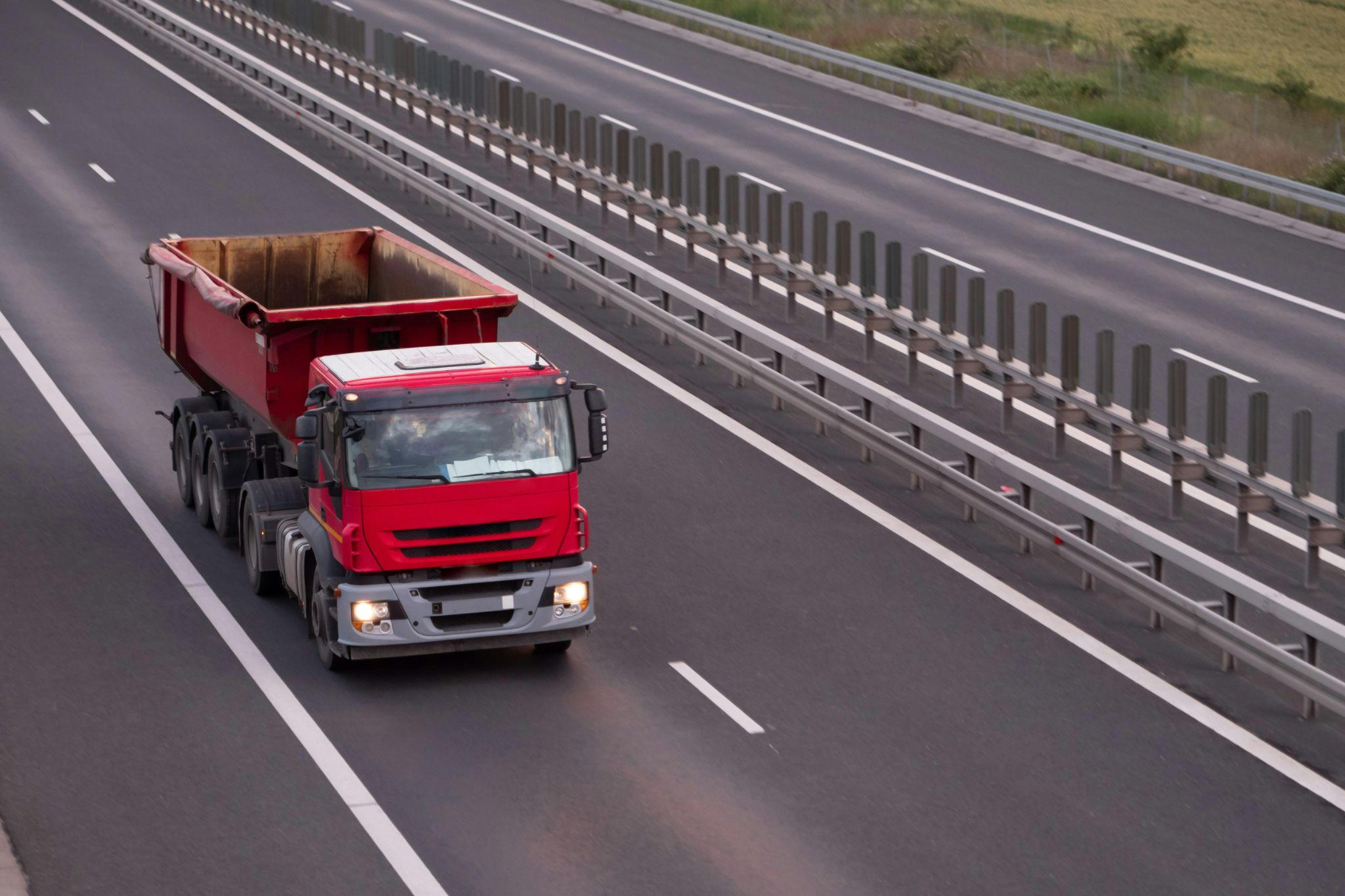
Florida’s interstate system, including I‑75, I‑95, and the Florida Turnpike, is heavily trafficked and often congested. According to reports, interstates handle millions of vehicle miles daily, creating a higher likelihood of stop-and-go traffic, sudden lane changes, and merging challenges.
CDL classes emphasize highway driving skills such as maintaining safe following distances, using mirrors effectively, and defensive lane management, which are all essential for reducing incidents in high-speed environments.
2. Challenges on Rural Roads
Rural routes in Florida often feature narrow lanes, limited shoulder space, and unpredictable curves. Research notes that rural accidents can result in higher severity due to slower emergency response times and tighter roadways.
Aspiring drivers who complete truck driver training gain experience navigating these roads safely, learning to adjust speed, anticipate farm vehicles, and handle tight turns in larger vehicles.
3. Understanding Weight Limits and Load Restrictions
Florida strictly enforces federal and state weight regulations to preserve road integrity. Overloaded vehicles increase stopping distances and road wear, and citations can carry hefty fines. Compliance with weight restrictions reduces accidents caused by brake failure or structural instability.
During CDL training and testing, students practice calculating gross vehicle weight, distributing loads correctly, and checking axles, ensuring readiness for the demands of real-world freight transport.
4. Weather and Regional Considerations
Florida’s subtropical climate creates unique driving conditions. Heavy rain, frequent thunderstorms, and occasional hurricanes can lead to slick roads, reduced visibility, and flooding. Weather-related crashes increase significantly in regions with high rainfall.
Structured CDL training programs incorporate exercises for wet-road handling, braking control, and emergency response, giving drivers the confidence to operate safely in varying weather conditions.
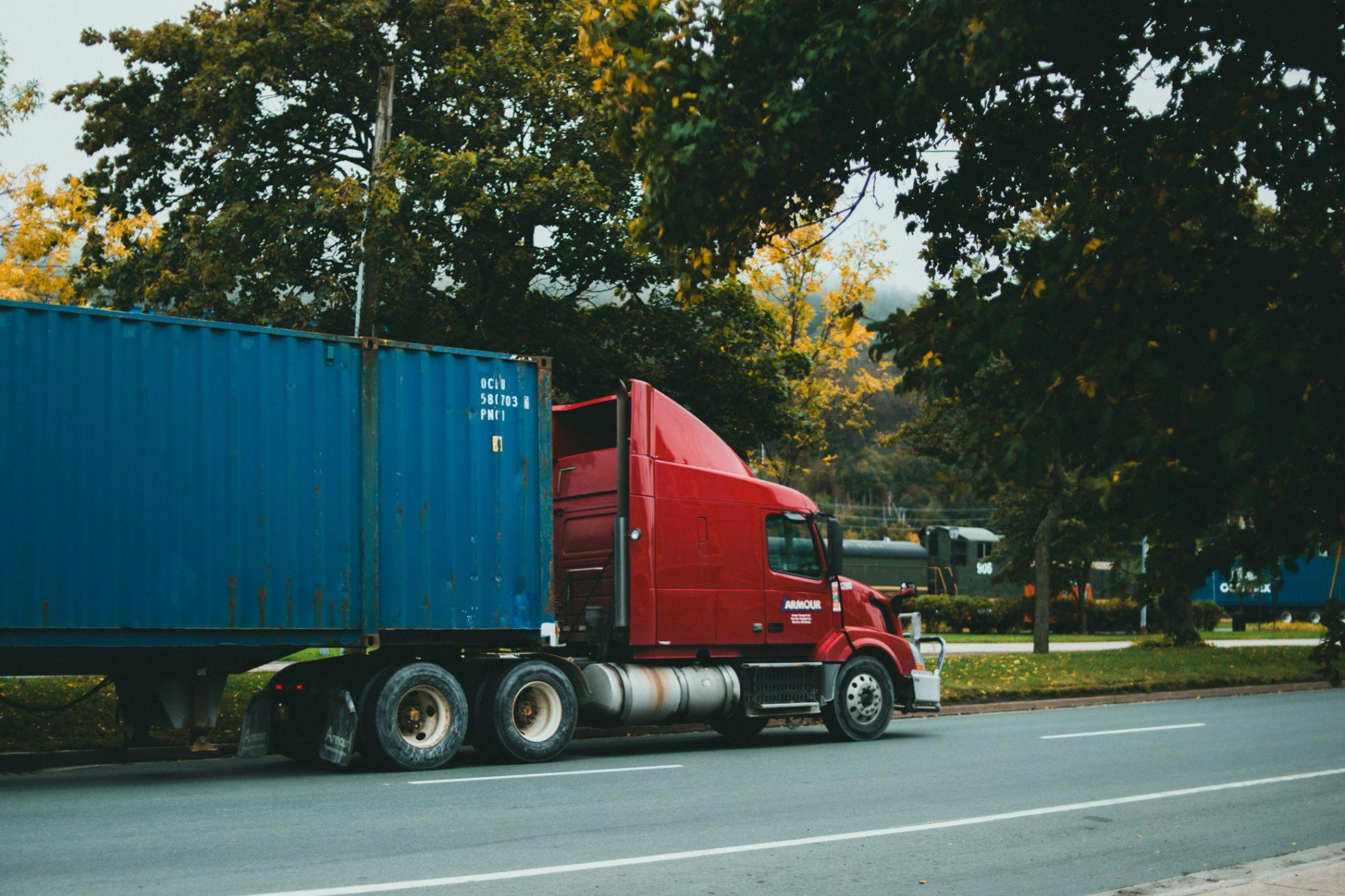
Understanding Florida road conditions is key to becoming a safe, confident commercial driver. Knowing how to handle busy highways, rural routes, weight limits, and changing weather can make all the difference when you get your CDL and head out on the road.
SunState CDL offers a comprehensive CDL training program that prepares students for these real-world challenges. Our expert-led CDL classes combine practical road exposure with focused instruction, helping you apply classroom lessons to actual driving conditions.
With access to a licensed CDL testing facility, we ensures you’re ready for both CDL training and testing and life on Florida roads.
Build the skills needed to navigate Florida’s roads safely and confidently; contact SunState CDL today.